



Deciding to undergo a hair transplant is a meaningful step, one that can restore not just your hairline, but your confidence. But the success of your procedure doesn’t begin in the operating room, it begins weeks before, in the choices you make every day. Proper Hair Transplant Preparation is one of the most important, and often overlooked, factors that determines how well your grafts survive, how smoothly your recovery goes, and how natural your final results look.
This guide covers everything you need to know to prepare for hair transplant surgery the right way
Why Preparation for Hair Transplant Matters?
Hair transplant surgery involves extracting individual follicular units from a donor area, typically the back of the scalp and implanting them into areas affected by hair loss, These grafts are living tissue, Their survival depends on the condition of your blood supply, scalp health, and immune response at the time of the procedure
Patients who follow a structured preparation for hair transplant tend to experience:
- Higher graft survival rates
- Reduced intraoperative bleeding
- Faster, cleaner healing
- More natural-looking density in the final result
Think of it as preparing the soil before planting seeds. The better the environment, the stronger the growth, and that’s exactly why proper Preparation makes all the difference
According to the International Society of Hair Restoration Surgery (ISHRS), patient preparation is a key factor in achieving optimal graft survival and long-term results
How to Prepare for Hair Transplant : Step by Step
After your consultation, your preparation continues with your diet. In the following sections, we’ll explain the most important foods to avoid and guidelines to follow before your procedure
1. Medical Tests and Consultation
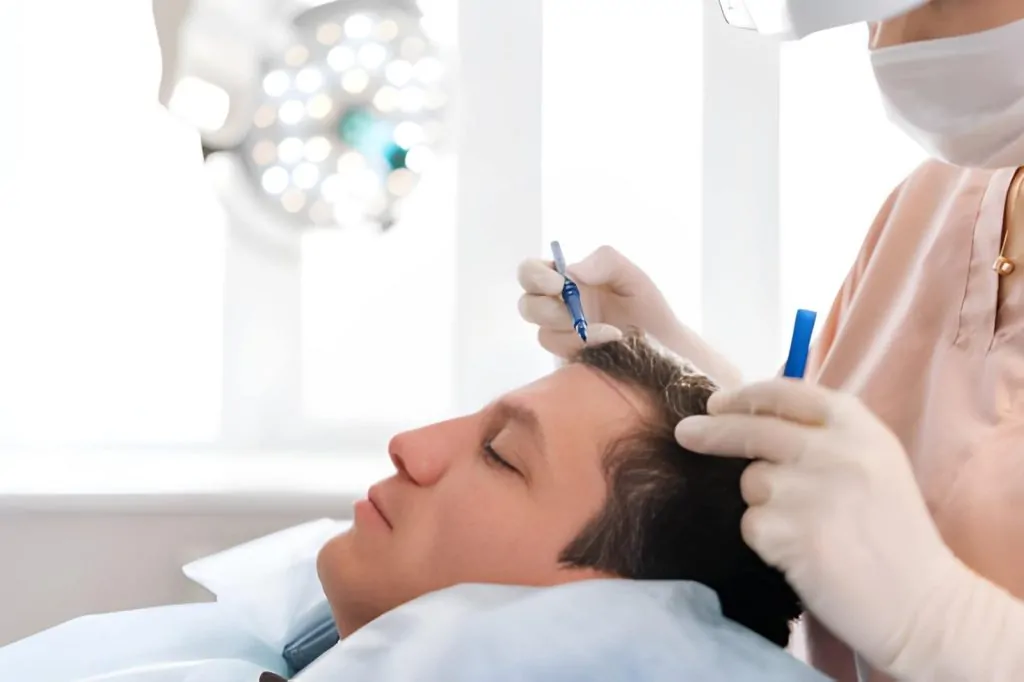
Before your procedure, your clinic will request essential blood tests, including a complete blood count, clotting profile, liver and kidney function, along with viral screening (hepatitis and HIV) to ensure safety.
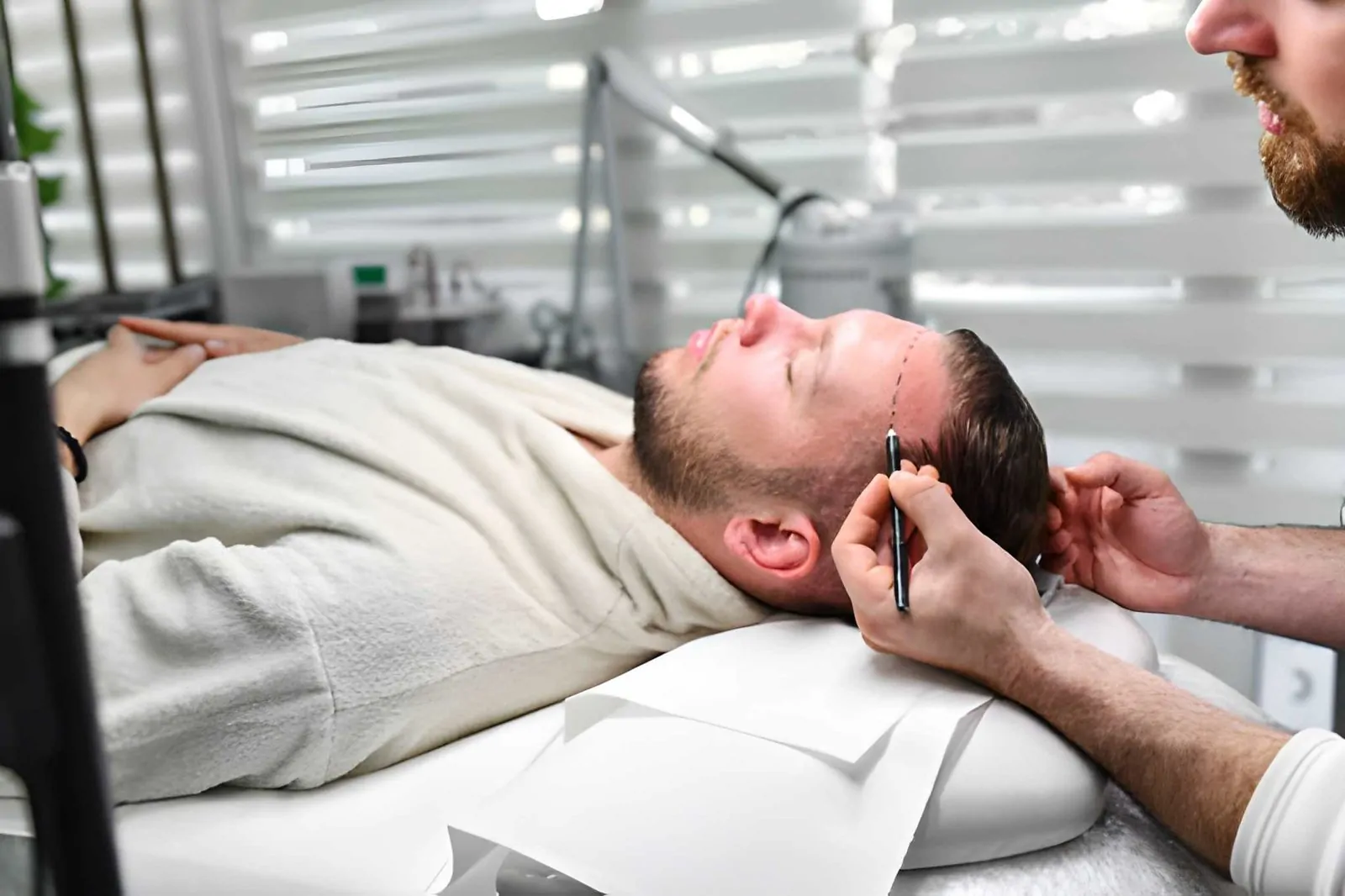
Additional tests may be required based on your medical history, such as HbA1c for diabetes or thyroid function tests when needed. During your consultation, your surgeon will also design your hairline to match your facial features, a key step in achieving natural results.
2. What Not to Eat Before Hair Transplant
Diet plays a direct role in how your blood behaves during surgery. Certain foods and supplements thin the blood and increase bleeding, which can disrupt graft placement and slow healing
In the 2 weeks before your procedure, as part of proper Hair Transplant Preparation, avoid:
• Garlic, ginger, and turmeric in large amounts, these have natural blood-thinning effects
• Vitamin E and fish oil supplements, both affect platelet function
• Aspirin and ibuprofen, unless prescribed by your doctor; always consult before stopping any medication
• Alcohol — alcohol dilates blood vessels and thins the blood significantly; stop at least 2 weeks before surgery
On the day of your procedure, eat a light, balanced meal beforehand as part of your Hair Transplant Preparation. Arriving on an empty stomach can cause dizziness, especially during or after local anesthesia.
3. Caffeine Before Hair Transplant
This is a question many patients ask — and the answer is simple: stop caffeine intake 1 to 2 days before your surgery, Caffeine stimulates the nervous system, raises heart rate, and can constrict blood vessels in ways that affect anesthesia response and intraoperative comfort. It also promotes dehydration, which is counterproductive before a procedure that requires good scalp circulation.
Switch to water and herbal teas in the days leading up to your procedure. Your body, and your grafts will benefit
4. Exercise Before Hair Transplant
Regular exercise is healthy in general, but the timing matters when it comes to surgical prep.
Stop intense physical activity 3 to 5 days before your procedure. High-intensity workouts elevate blood pressure, increase scalp temperature, and trigger inflammation, none of which you want going into surgery. Light walking is fine, but avoid weightlifting, cardio intervals, or any activity that significantly raises your heart rate
After your surgery, you’ll need to pause exercise for at least 2 to 3 weeks while your grafts anchor and your scalp heals, Your surgeon will advise you on when it’s safe to return
5. Medications and Supplements
Be transparent with your clinic about everything you take — prescription medications, over-the-counter drugs, and supplements.
Medications to discuss or pause (only with doctor guidance):
- Blood thinners (warfarin, clopidogrel)
- NSAIDs (ibuprofen, naproxen)
- Multivitamins containing high-dose Vitamin E
- Finasteride — inform your surgeon, as stopping suddenly is not always recommended
Medications that are generally continued:
Blood pressure medications (your surgeon will advise)
Antidepressants (discuss with your prescribing doctor before making any changes)
6. Scalp and Hair Care Before Surgery
- Do not use styling products (gel, wax, hairspray) on the day of your procedure.
- Wash your hair the morning of your surgery using a mild, sulfate-free shampoo.
- Do not apply minoxidil on the day of your procedure, though you may continue it in the days prior unless instructed otherwise, If you are using minoxidil, it is recommended to stop it at least 3 days before your procedure, as it can increase blood flow to the scalp and may lead to excessive bleeding during surgery.
- Avoid any scalp treatments (laser, PRP, or chemical applications) in the 2 weeks before surgery.
If you have long hair, your clinic will guide you on whether to trim or shave. In DHI procedures, full shaving is sometimes avoided ,especially for women, where only a small donor strip is shaved.
7. Lifestyle Habits in the Final Week
-
Smoking: If you smoke, stop at least 1 to 2 days before your procedure. Nicotine reduces blood flow to the scalp and can negatively affect graft survival rates. Even vaping and nicotine patches have similar effects
-
Sleep: Prioritize 7 to 8 hours of quality sleep in the days before your procedure. Your body heals and regenerates during sleep — this is the foundation your grafts will depend on.
- Stress: Elevated cortisol (the stress hormone) can affect immune response and blood pressure. Try to keep your schedule calm in the days before surgery.
- Hydration: Drink at least 2 liters of water daily in the week before your procedure.
Surgery Day Preparation:
On the day of your procedure, make sure you are well-rested and have had a good, balanced meal before arriving at the clinic.
It is also recommended to prepare a few essential items at home for your post-procedure care, such as a spray bottle filled with saline solution to keep the scalp hydrated, and a neck pillow to help you sleep in the correct position without disturbing the grafts.
Hair Transplant Before and After: What to Realistically Expect
Understanding the full timeline is part of preparation too. Knowing what comes next prevents anxiety and helps you commit to aftercare.
In the first two weeks post-surgery, you may notice redness, mild swelling, and temporary shedding of the transplanted hairs. This is called the shock loss phase and it is completely normal — the follicles are still alive beneath the surface.
By month 3, new hair begins to emerge. By month 6, density becomes visible and encouraging. The final, full result — thick, stable, natural-looking hair — typically appears between 12 and 18 months after your procedure.
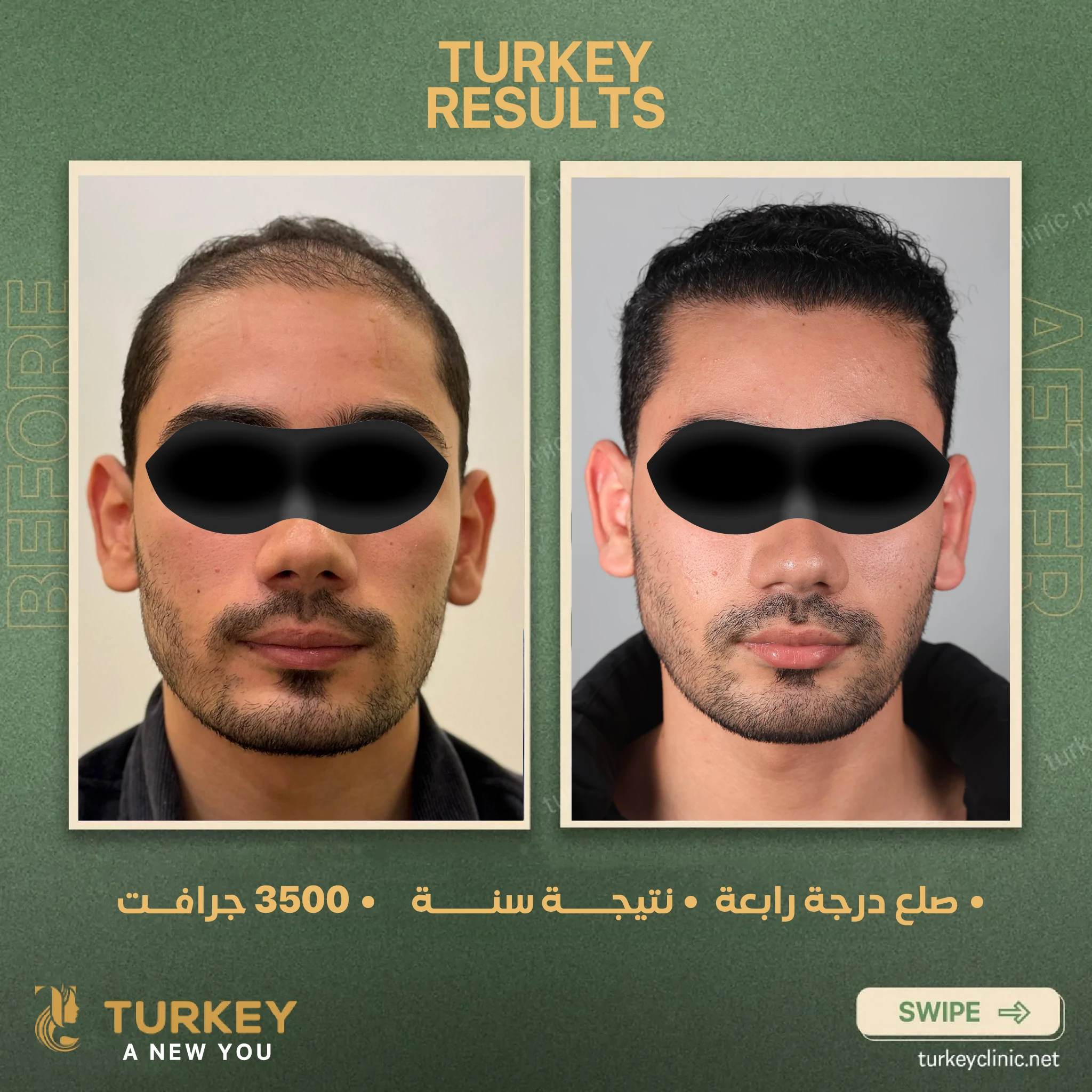
Patients who invested in proper preparation for hair transplant consistently see better, more uniform results in this final stage, and the following images illustrate hair transplant before and after results at Turkey Clinic.



 Send Us at Whatsapp
More results: Hair Transplant Before and After Photos
Preparation Is the First Step to Transformation
A successful hair transplant is a partnership between the surgeon’s expertise and the patient’s preparation. Every step you take before walking into that clinic, stopping alcohol, avoiding blood-thinning foods, resting, staying hydrated — is an investment in the outcome you’re hoping to see.
At Turkey Clinic, we guide every patient through a detailed pre-operative protocol tailored to their individual health profile, technique, and goals. Whether you’re preparing for a Sapphire FUE or a DHI procedure, our team ensures you arrive on the day of your surgery in the best possible condition for outstanding results.
Ready to take the next step? Book your free consultation today and receive a personalized Preparation plan designed specifically for you.
How much does a hair transplant cost in Egypt?
The cost of a hair transplant in Egypt varies depending on several factors, including the technique used, the number of grafts required, and the complexity of the case.
- Best Hair Transplant Doctor In Egypt includes top specialists such as Dr. Ahmed Fawzy and Dr. Ahmed Borai, who are among the leading names in the field.
- The cost is determined based on the technique used, such as FUE, DHI, or Sapphire FUE.
- The total price also depends on the number of grafts needed to achieve the desired density and coverage.
- Individual patient factors such as hair loss stage and donor area quality can also affect the final cost.
Frequently Asked Questions About Hair Transplant Preparation
Here are the most common questions patients ask about preparation before their procedure:
How many days before a hair transplant should I stop alcohol?
At least 2 weeks before surgery is recommended as part of proper preparation to ensure optimal blood behavior, This helps reduce the risk of excessive bleeding during the procedure and supports better graft stability and healing after surgery.
Can I drink coffee the morning of my hair transplant?
No. Avoid caffeine for 1 to 2 days before your procedure to support stable blood pressure and anesthesia response. Caffeine can increase heart rate and cause slight dehydration, which may affect your comfort during the procedure and your body’s response to anesthesia.
Is it okay to exercise the day before a hair transplant?
Light walking is fine, but avoid intense exercise for 3–5 days before your procedure. High-intensity workouts can raise your blood pressure and increase scalp sensitivity, which may affect the procedure and increase the risk of bleeding, Keeping your activity light helps your body stay in a stable condition before surgery.
What should I eat the day of my hair transplant?
A light, nutritious meal before arriving, nothing too heavy. Avoid fasting completely. Eating beforehand helps maintain stable blood sugar levels and prevents dizziness or weakness during the procedure, especially with local anesthesia.
Do I need to shave my head before a hair transplant?
It depends on the technique. FUE typically requires a full shave, while DHI may allow partial shaving. Your surgeon will advise based on your case.
Proper Hair Transplant Preparation and knowing how to prepare for hair transplant can make a real difference in your final results
At Turkey Clinic, we specialize in advanced techniques like Sapphire FUE and DHI, delivering natural, lasting results
Ready to get started?
Book your free consultation today